Wednesday, August 4, 2010

Conservation Biotechnology Unit - Kew

During my few weeks at Kew, I worked entirely with the team of scientists at the Conservation Biotechnology Unit. My main focus was assisting in the Sainsbury Orchid Project, an effort to conserve and re-establish endangered British and European orchids using the technique of micropropagation. The objectives of the project are to 1) investigate techniques for in vitro mycorrhizal-assisted germination, asymbiotic propagation and planting methods for target species, selected from the UK Biodiversity Action Plan and from Prioritized lists prepared by English Nature, and 2) to provide plants for reestablishment and for other conservation purposes. (http://www.kew.org/science/directory/projects/SainsburyOrchCons.html)

Most of my efforts at Kew’s CBU centered on endangered orchids of the British Isles, the most notable being Cypripedium calceolus (the nearly extinct British ladyslipper orchid).

On a day to day basis, I would help prepare orchid tissue culture media, subculture orchids on to fresh media, collect and sterilize seeds for germination, and perform viability tests on older seeds from the orchid seed bank. A nice surprise during my last week with the CBU team was receiving a visit from National Geographic magazine. They were interested in writing a story on Kew’s efforts to rescue the dwindling native orchid population, and hopefully the article will be published this spring.

Many thanks to Sarasan, Grace, John, and the rest of the CBU team for your friendship and for a great learning experience.


Tuesday, August 3, 2010

RBG Kew

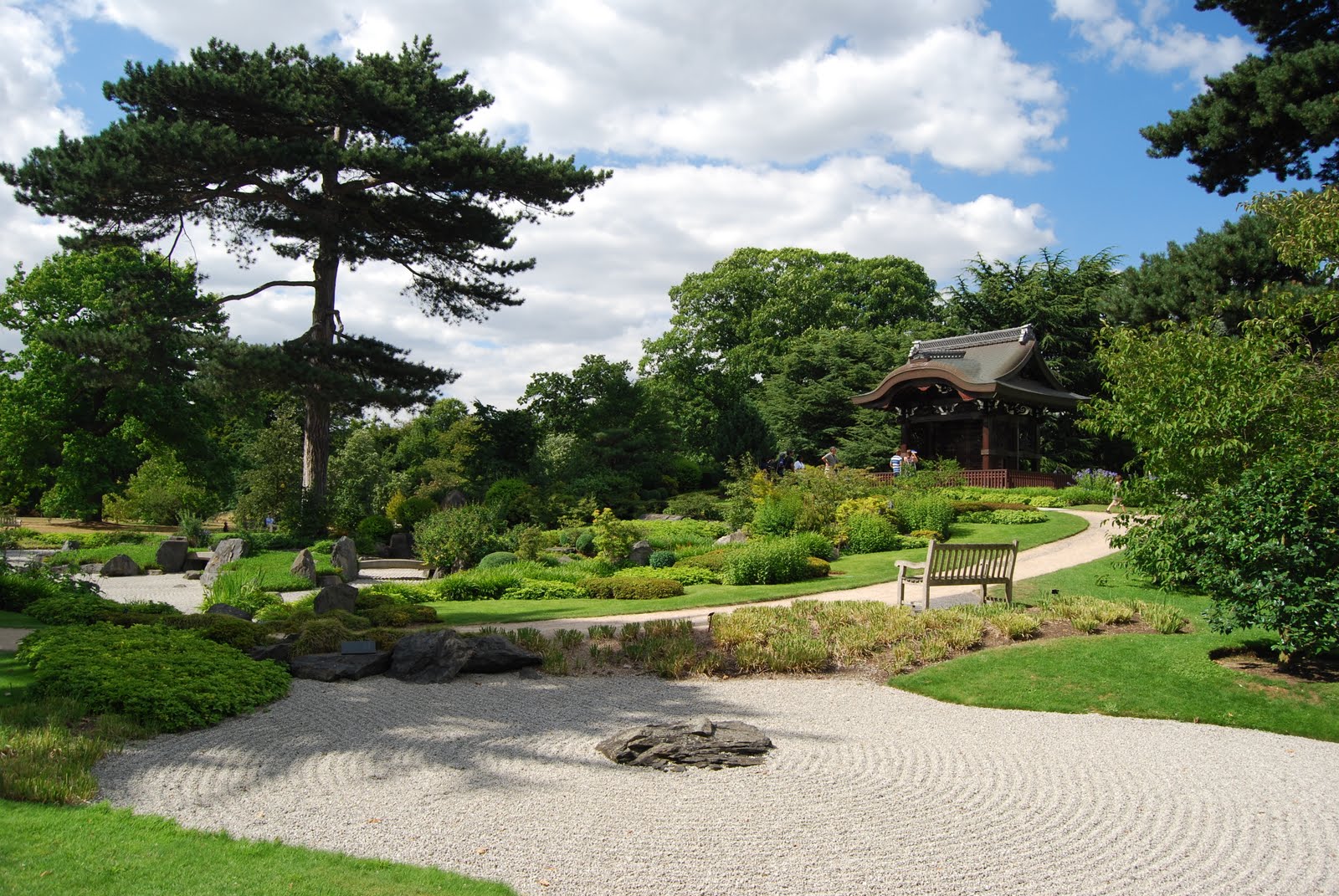
After finishing up my stint at RHS Wisley, it was finally time to move back to London for the duration of my scholarship. My next stop was the Royal Botanic Gardens at Kew, probably the most notable garden in all of the UK, and a UNESCO World Heritage Site. It was an honor just to visit, and actually getting to work in the laboratories was the chance of a lifetime.
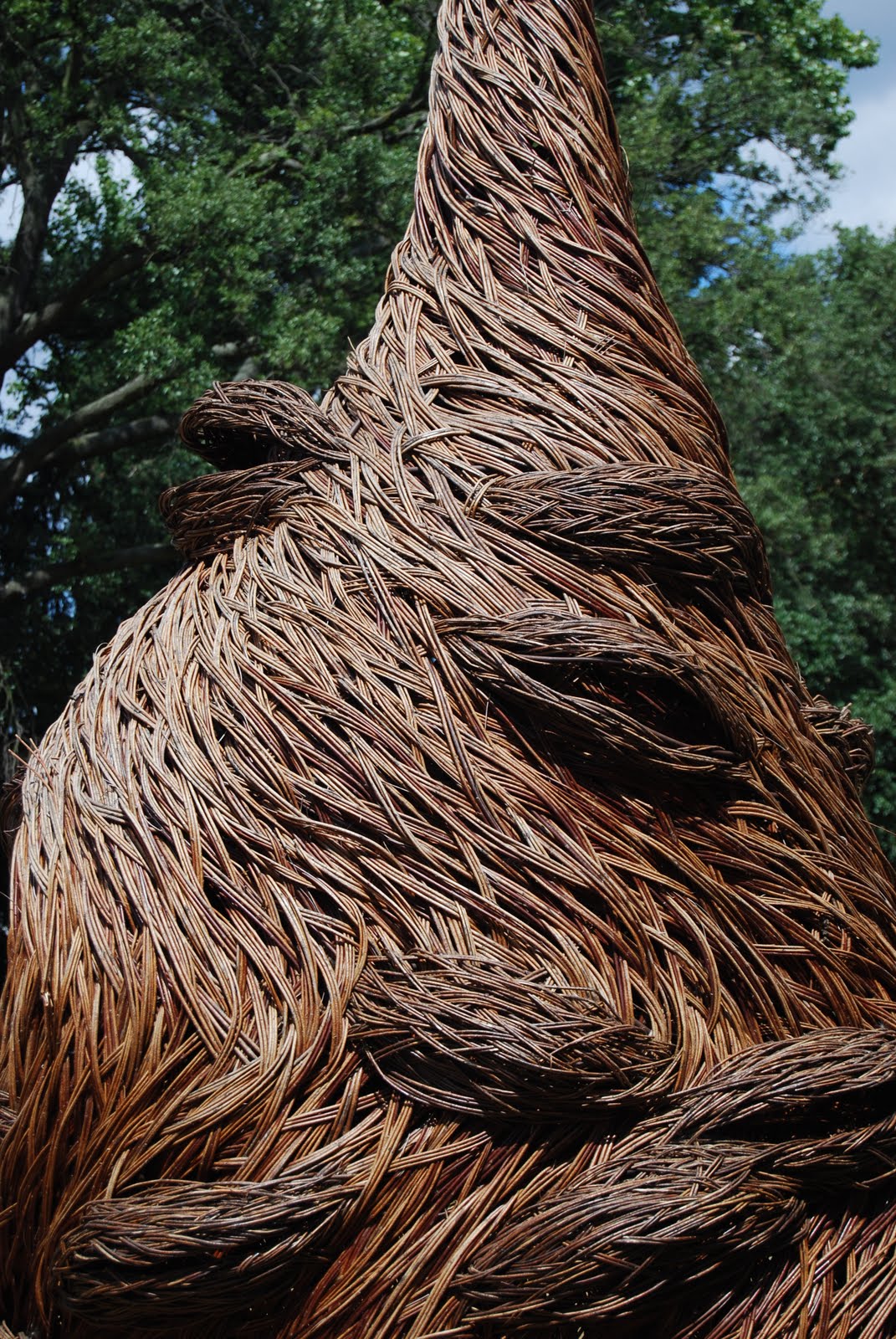
In the gardens, Kew offers a chance to visit one of the world's oldest Victorian palmhouses, a cutting edge and award-winning Alpine glass house, one of the smallest British royal palaces (Kew Palace), several museums and conservatories, a great pagoda (designed by Sir William Chambers), several galleries, a tree top walkway, a water lily house, and the list goes on and on.

Kew also maintains one of the largest herbariums in the world, as well as one of the largest seed banks in concert with the Millennium Seed Bank project at Wakehurst Place. In addition, Kew houses one of the largest libraries in the worlds archiving collections of botanical books, illustrations, photographs, periodicals, etc.

Kew is simply a monumental garden, and must be visited to be appreciated. As a student at Kew, I was lucky enough to visit some of the behind-the-scenes areas of Kew. One of the highlights was visiting the herbarium housing the mycology collection, and getting to hold the sample of Penicillium fungi that Alexander Fleming used to discover Penicillin. Another highlight was working for the Conservation Biotechnology Unit where I assisted in growing endangered or near extinct British orchids in tissue culture.

My entire experience at Kew was unforgettable, and I hope to return soon one day as there is so much of the garden left to explore.